Compare real estate appraisal services
Comprehensive Estate Appraisal: Increase Your Property's Worth
A comprehensive property evaluation serves as an crucial role in establishing a real estate's worth, especially after the death of a loved one. It guarantees a fair distribution of assets among beneficiaries and helps in fulfilling monetary responsibilities. Comprehending the multiple factors influencing appraisal is vital. Furthermore, choosing the appropriate appraiser can greatly impact the outcome. With numerous factors at stake, how can homeowners most effectively ready for this undertaking?
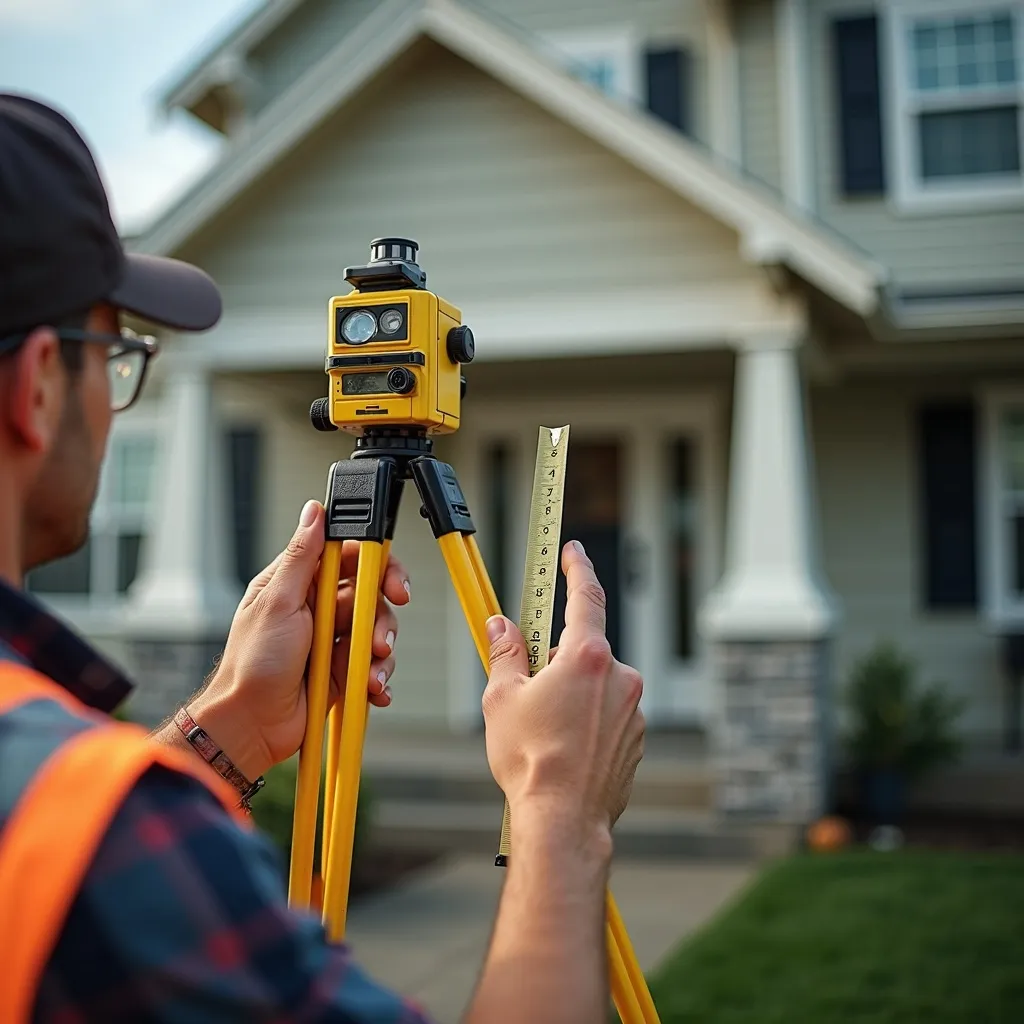
Understanding the Goal of an Property Valuation
An estate valuation serves as an critical mechanism in figuring out the value of a departed individual's holdings. This process is vital for various purposes, primarily to make possible the just allocation of holdings among beneficiaries and beneficiaries. It furnishes a clear assessment that can help in settling debts and taxes, ensuring that the estate meets lawful requirements. Additionally, an reliable appraisal helps in minimizing disputes among family members, consequently fostering a more streamlined transition during what is often a hard time.
In addition, an estate appraisal can also facilitate pinpointing and recording the valuables for later generations. It establishes a baseline value that can be referenced for potential future sales or taxation reasons. At the end of the day, understanding the intent of an valuation assessment stresses its significance in achieving honesty and equity in the oversight of a deceased person's estate, contributing to ethical estate planning and execution.
Essential Elements Affecting Property Valuation
Multiple key factors considerably influence property valuation during an estate appraisal. Location and accessibility frequently establish a property's desirability, while the condition of the property itself may impact its overall worth. Additionally, market trends analysis provides insight into current economic conditions that influence property values.
Position and Availability
Location and proximity serve essential roles in determining property price, shaping buyer interest and market behavior. Properties found in desirable neighborhoods, close to amenities such as schools, shopping centers, and public transportation, often command higher prices. Also, accessibility to major roadways and employment hubs increases a property’s attractiveness, making it more inviting to potential buyers. Areas with low crime rates and good school districts typically see increased demand, further pushing up property values. In contrast, properties in remote locations or those with limited access to essential services may suffer decreased valuation. Understanding these factors helps sellers strategically position their properties, boosting marketability and securing ideal returns on investment.
Property Condition Assessment
Beyond placement and ease of access, the condition of a property substantially impacts its value. Essential elements comprise structural integrity, age, and upkeep record. A well-maintained property typically achieves a higher price, as buyers are often prepared to invest a surcharge for move-in readiness. In contrast, properties needing major restoration work or upgrades may discourage potential buyers, resulting in lower offers. Moreover, updates in critical systems—such as plumbing, electrical, and roofing—can enhance value, while neglecting these areas can cause value decline. A comprehensive property assessment not only identifies these factors but also provides a transparent picture for prospective clients, ultimately affecting the property's salability and ultimate selling price. Assessing the property's state is, therefore, a crucial component of precise property valuation.
Market Directions Inspection
Market trends serve as a critical factor in determining property valuation, affecting buyer behavior and pricing strategies. Factors such as local economic conditions, employment rates, and demographic shifts greatly impact market demand. Additionally, interest rates and financing availability determine how buyers engage in property purchases. Seasonal trends often impact buyer activity, with certain periods experiencing increased sales volumes. Furthermore, neighborhood developments, such as new amenities or infrastructure projects, can enhance property desirability. Understanding these dynamics allows appraisers and property owners to adjust their strategies accordingly. By closely monitoring these trends, stakeholders can take knowledge-based steps, ensuring that property valuations represent current market realities and maximizing potential returns. Ultimately, a thorough market trends analysis is vital for effective estate appraisal.
Tips for Selecting a Professional Appraiser
Selecting a qualified evaluator demands careful consideration of multiple important criteria. Credentials and experience are critically important, as does the appraiser's familiarity with the regional area. Additionally, comprehending the valuation methods used can significantly impact the accuracy and reliability of the property valuation.
Certifications and Expertise
When looking for a competent appraiser, it is critical to evaluate their credentials and background, as these factors greatly influence the precision and dependability of the appraisal. A qualified appraiser typically holds a relevant designation from a established professional organization, such as the Appraisal Institute or the American Society of Appraisers. Additionally, significant experience in the field, particularly with the kind of property being appraised, is vital. Prospective clients should inquire about the appraiser's track record, including the count of appraisals completed and any areas of expertise. It's also beneficial to check for ongoing training, which indicates a dedication to staying current with industry standards and practices. Collectively, these elements guarantee a well-rounded professional capable of delivering precise appraisals.
Local Market Expertise
Understanding specific market circumstances is essential for selecting a experienced professional, as their insight into the location can dramatically shape the appraisal's correctness. An appraiser with extensive knowledge of the area property market structure will be more suited to assess property values based on recent sales, local movements, and business conditions. It is advisable to search for appraisers who have worked in the specific locality for a number of years, as they will possess insights into unique factors influencing property worth. Additionally, checking for regional endorsements or connections with industry organizations can additionally substantiate an appraiser's knowledge. Ultimately, designating someone well-versed in local market conditions can lead to a sharper and constructive property valuation.
Assessment Methodology Implemented
The appraisal process carried out by a qualified appraiser represents a vital component determining property appraisal. Appraisers commonly apply three core approaches: the sales comparison approach, the replacement cost method, and the revenue-based method. The comparative market analysis examines similar properties transacted recently in the region, whereas the replacement cost method figures the expense of reconstructing the property minus deterioration. The revenue-based method is frequently used for investment properties and computes anticipated income streams. When selecting an valuation expert, individuals must prioritize qualifications, encompassing licenses and expertise. It is also critical to assess their familiarity with local market trends and real estate categories. A knowledgeable professional can provide a thorough analysis, guaranteeing accurate and beneficial property valuation for estate purposes.
Get Your Home is Ready for an Appraisal
Having a property prepared for appraisal is essential for getting an accurate valuation. Homeowners should begin by ensuring that the property is spotless and well-organized, which allows appraisers to see its full potential. Simple cosmetic improvements, such as fresh paint or minor repairs, can considerably strengthen appeal.
Moreover, it is wise to obtain pertinent documents, such as previous appraisals, tax assessments, and property disclosures, as these deliver valuable context for the appraiser. Landscaping should further be addressed; well-maintained gardens and lawns can produce a excellent first impression.
Finally, property owners should be prepared to provide a list of distinctive improvements and enhancements, as these elements may affect the overall value. By taking these steps, homeowners can facilitate a easier appraisal process and potentially increase their estate's worth.
Typical Property Assessment Pitfalls to Sidestep
There are numerous frequent mistakes that can delay the estate valuation process and conceivably result in incorrect assessments. One regular mistake is not providing comprehensive and precise property details. Incomplete details can distort the appraiser's understanding, causing miscalculations. Another mistake is neglecting to take into account comparable properties and market trends, which can substantially affect property values. Failing to consider necessary repairs or upgrades also poses a challenge; appraisers are required to assess the property's existing status accurately.
Additionally, depending exclusively on online valuation tools can mislead owners, as these tools often miss local market nuances. Emotional attachment to the property may obscure decision-making, resulting in unrealistic expectations concerning value. Finally, not engaging a certified appraiser can jeopardize the appraisal's integrity. By steering clear of these common pitfalls, property owners can guarantee a more accurate and advantageous estate appraisal.
Boost Your Real Estate Worth Using These Approaches
Elevating property value requires a strategic approach that encompasses both aesthetic and functional improvements. First, boosting exterior attractiveness is crucial; basic yard work, new paint, and tidy pathways can create a memorable initial impact. Inside, renovating kitchens and baths often yields the best results. Modern fixtures and energy-efficient appliances can attract potential buyers.
Moreover, staging and decluttering the home creates it more appealing and allow prospective buyers to envision themselves residing in the space. Making minor repairs, such as fixing leaky faucets or replacing worn flooring, can also significantly boost appeal.
Additionally, integrating smart home technology provides a contemporary edge that many purchasers seek. Finally, understanding local market patterns and strategically pricing can place the property positively. By applying these strategies, property owners can enhance their asset's value and guarantee a more positive appraisal outcome.
How to Proceed Following Your Appraisal?
With methods for improving property value implemented, the subsequent actions following an appraisal are vital. Property owners should initially review the appraisal report thoroughly, guaranteeing they understand the valuation and any factors shaping it. If inconsistencies or questions arise, it is crucial to address them rapidly, perhaps through a conversation with the appraiser.
Next, property holders should evaluate their monetary goals. Whether planning to sell, obtain new financing, or keep the property, matching approaches with the appraisal findings is critical. For those selling, leveraging the appraisal value can guide pricing and marketing strategies successfully.
Also, homeowners could consult property specialists to gain understanding on market trends, ensuring they take advantage of their property's worth. In conclusion, staying informed about ongoing property enhancements and market situations can help preserve or increase value over time, making the appraisal a foundational tool in long-term property management and planning.
Typical Questions Explained
What Number of Times Should I Have My Estate Valued?
Experts suggest estate appraisals every three to five years, or after significant changes, such as improvements or market fluctuations. Regular assessments guarantee property values reflect current conditions, assisting informed choices for owners and potential buyers.
Can I challenge an appraised amount I dispute?
Yes, an individual can contest an property valuation they take issue with. This process typically entails submitting supporting evidence confirming their position, such as comparable properties or structural condition, to the relevant body or appraisal board for review.
Which Documents Are Essential for an Valuation?
An appraisal demands vital paperwork which ordinarily contain property deeds, previous appraisals, tax assessments, renovation records, and any relevant photographs. These materials support the appraiser in accurately assessing the property's current market value.
What Duration Does an Estate Appraisal Generally Involve?
A property evaluation typically takes between one to discover the facts three hours, based on the size and complexity of the property. However, final documents may need additional time for analysis and paperwork before finishing and providing to the client.
Will an Assessed Value Affect My Real Estate Taxes?
An assessed valuation can considerably affect property taxes. Local tax authorities often rely on appraised values to calculate tax assessments, meaning a higher appraisal may lead to increased property taxes, impacting the owner's monetary obligations.